20/03/2026
Trials and treatments developed with our support
Drugs in development or marketed with the support of AFM-Telethon concern neurological and neuromuscular diseases, diseases of the liver, vision, skin and immune system.
Do a search on the AFM-Telethon website.
Drugs in development or marketed with the support of AFM-Telethon concern neurological and neuromuscular diseases, diseases of the liver, vision, skin and immune system.
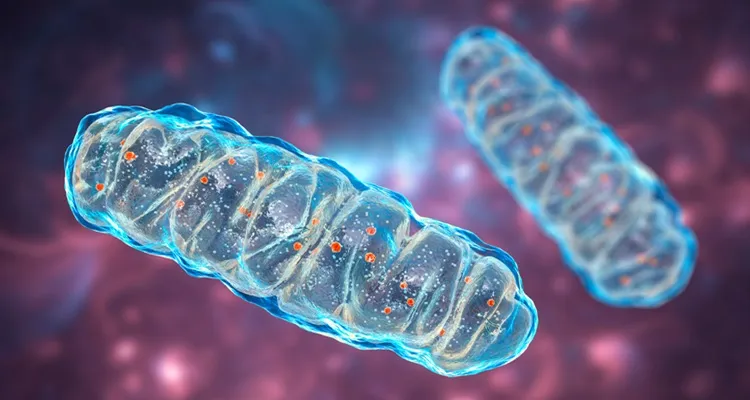
Patient care and research in mitochondrial myopathies caused by thymidine kinase 2 (TK2) deficiency are currently advancing on several fronts, with the possible arrival of a first therapy in Europe for early-onset forms and improved monitoring of disease progression in late-onset forms.
For the 7 million people living with sickle cell disease worldwide, the authorisation granted by the French National Agency for Medicines and Health Products Safety (ANSM) to launch the DREPAMIR phase I/II clinical trial represents real hope. Supported by AFM-Téléthon and led by Professor Marina Cavazzana and Dr Anne Galy (ART-TG), the aim of this trial is to provide a long-term therapeutic solution for affected patients.

In this new research highlight, discover information on urinary disorders in myasthenia, results from the EMBARK trial in DMD, pregnancy in severe forms of SMA and the benefits of virtual reality during hospitalisation.

Tested in three-dimensional muscle structures mimicking Duchenne muscular dystrophy, gene therapy improved muscle function without reducing the fibrosis characteristic of the disease.

An internationally recognized expert in the field of immunology and the development of gene therapies, Klaudia Kuranda is joining the AFM-Téléthon laboratories to establish and lead a new Immunology Center that will bring together the complementary expertise of Genethon, a leading gene therapy non-profit biotech organization, and the Institute of Myology, a center of expertise for muscle and muscle disorders.
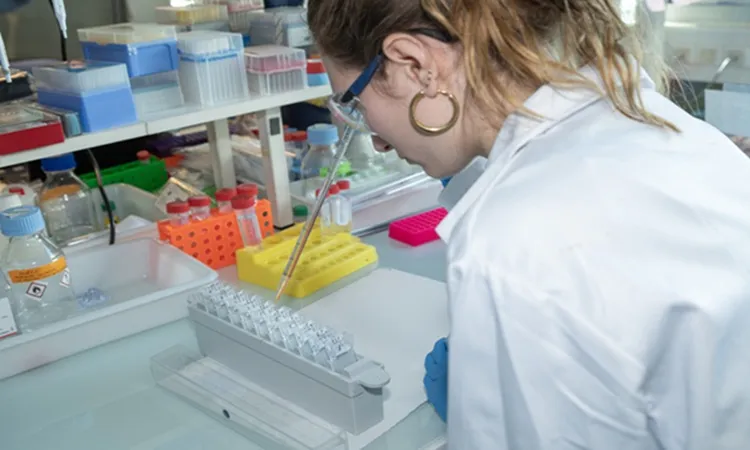
French researchers supported by AFM-Téléthon have developed two new models in Duchenne muscular dystrophy, opening new perspectives for research, both to better understand neurological involvement and to develop future treatments.
Published in recent weeks, new studies on autoimmune necrotising myopathies, Charcot-Marie-Tooth disease, muscular dystrophies, and a study including LGMD R12 limb-girdle muscular dystrophy, Becker muscular dystrophy, Steinert disease and Charcot-Marie-Tooth 1A.

Lamotrigine could represent an alternative to mexiletine for the treatment of non-dystrophic myotonias, including over the long term.
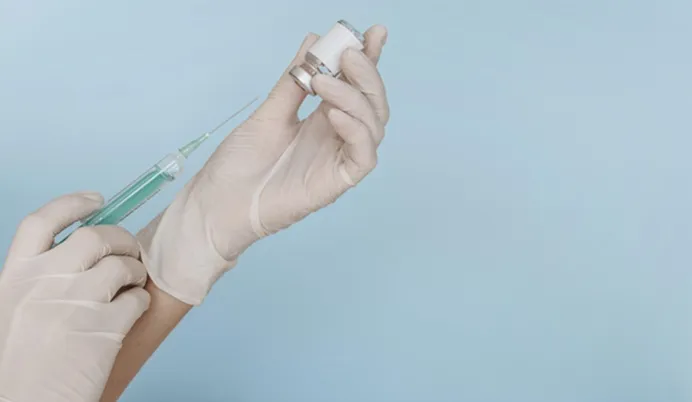
While gene therapy is currently administered intravenously in infants with spinal muscular atrophy (SMA), two recent clinical trials show that it is also effective when delivered intrathecally in older patients.
In this new research highlight, discover information on executive functions in Duchenne muscular dystrophy, the development of new gene therapy vectors and a study on lactate measurement.

Alpelisib, RK783 and KTI-2338 have shown efficacy in laboratory studies in fibrodysplasia ossificans progressiva.
Discover in this new research highlight information on predictive factors for the progression of a form of myositis, the role of complement in myasthenia, and recent work on a form of mitochondrial myopathy.

Treatment with apitegromab, which acts directly on muscles, appears to improve motor function in patients already treated with Spinraza or Evrysdi, according to a trial involving nearly 200 patients with type II or III spinal muscular atrophy.

The European Commission has just approved an extension for higher doses of nusinersen (Spinraza) in spinal muscular atrophy.